

Fiber and Cancer Prevention: Simple Ways to Add More Fiber to Your Diet
When we think about cancer prevention, screenings and regular checkups often come to mind first. But the choices we make at the grocery store and around the dinner table can also play a role in supporting long-term health.
One simple place to start? Fiber.
Dietary fiber supports digestive health, helps you feel full, and is an important part of a healthy eating pattern. Diets rich in fiber-containing foods, particularly whole grains, fruits, vegetables, beans, and other plant foods, are also associated with a lower risk of colorectal cancer.
The best part is that adding more fiber to your diet doesn’t have to mean completely changing the way you eat.
What Is Dietary Fiber?
Fiber is a type of carbohydrate found naturally in plant foods. Unlike many other carbohydrates, your body doesn’t fully digest fiber. Instead, it moves through the digestive system and helps support healthy digestion and regular bowel movements.
Fiber-rich foods can also provide vitamins, minerals, and other nutrients that support overall health.
Common high-fiber foods include fruits, vegetables, beans, lentils, peas, whole grains, nuts, and seeds.
How Are Fiber and Cancer Prevention Connected?
Research has found an association between diets high in dietary fiber and a reduced risk of colorectal cancer.
There may be several reasons for this connection. Fiber helps keep waste moving through the digestive system and supports a healthy gut environment. Many high-fiber foods are also rich in nutrients and naturally occurring plant compounds.
Of course, no single food or nutrient can prevent cancer. Cancer risk is influenced by many factors, including age, genetics, tobacco and alcohol use, physical activity, body weight, environmental exposures, and family history.
Think of fiber as one piece of a larger approach to cancer prevention and overall wellness.
Easy Ways to Eat More Fiber Every Day
You don’t need to overhaul every meal. Small changes can add up quickly.
Try choosing whole-grain bread instead of white bread. Add berries or sliced fruit to breakfast. Toss beans into a salad, soup, or chili. Snack on an apple, pear, vegetables, or a handful of nuts. Replace some refined grains with oatmeal, brown rice, barley, or other whole grains.
And don’t overlook frozen fruits and vegetables. They’re convenient, last longer, and can make it easier to keep nutritious options available at home.
Add More Fruits and Vegetables
August is a great time to increase your intake of fresh produce. Tomatoes, berries, peaches, peppers, zucchini, corn, melons, and other seasonal foods can add fiber, nutrients, and variety to meals.
Try adding an extra vegetable to dinner or keeping washed fruit where it’s easy to grab for a snack.
Simple counts.
Don’t Forget About Beans and Lentils
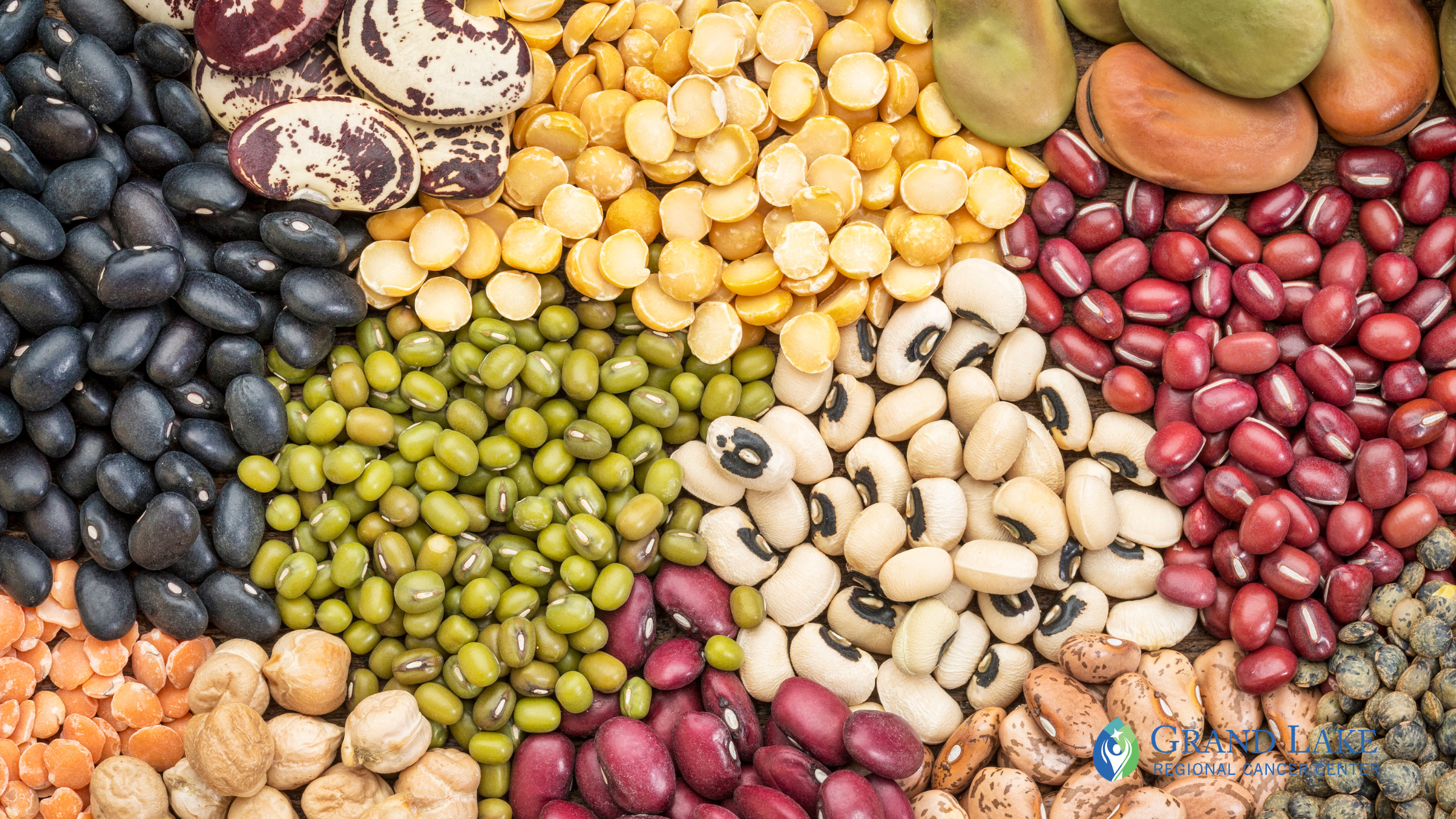
Beans, peas, and lentils are some of the easiest high-fiber foods to incorporate into meals.
Add black beans to tacos. Mix chickpeas into a salad. Make lentil soup. Add beans to chili or substitute some of the meat in a recipe with beans.
These foods can also provide plant-based protein, making them a versatile addition to a balanced diet.
Increase Fiber Gradually
If you currently eat a lower-fiber diet, increase your intake gradually. Adding too much fiber at once can cause bloating, gas, or digestive discomfort.
Drinking enough water is also important as you increase fiber.
People undergoing cancer treatment may have different nutritional needs. Certain treatments, surgeries, digestive symptoms, or medical conditions may make a high-fiber diet inappropriate at particular times. If you’re receiving cancer treatment, talk with your healthcare team before making significant changes to your diet.
Nutrition Is One Part of Cancer Prevention
Eating more fiber isn’t a guarantee against cancer, and healthy eating shouldn’t be treated as one.
Instead, focus on building sustainable habits that support your overall health. Eating a variety of plant foods, staying physically active, avoiding tobacco, limiting alcohol, maintaining a healthy weight when possible, and staying current with recommended cancer screenings can all play a role in reducing cancer risk.
And you don’t have to make every change at once.
Start with breakfast. Add another vegetable to dinner. Choose a piece of fruit for your afternoon snack. Try a new whole grain this week.
Those small choices become habits.
At Grand Lake Regional Cancer Center, we believe cancer prevention starts with education and giving our community practical ways to care for their health. This August, consider taking a look at what’s on your plate. Adding a little more fiber each day could be one simple step toward better digestive health and long-term wellness.