
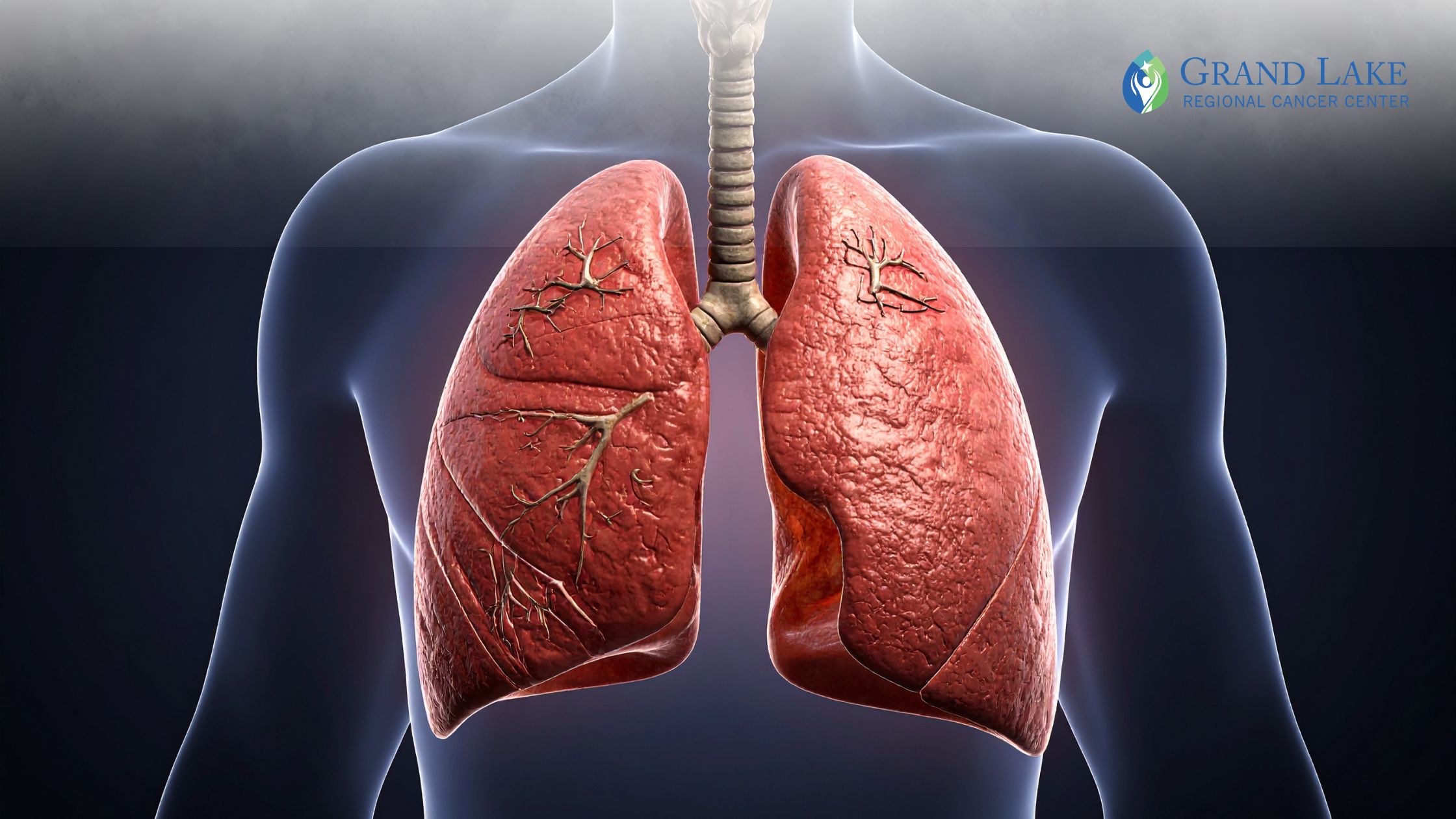


Lung Cancer Awareness Month: Understanding Risk Factors and Screening Options
November is Lung Cancer Awareness Month, an opportunity to educate our community about the leading cause of cancer-related deaths in the United States. While lung cancer remains a serious health concern, advances in screening and early detection are helping save lives.
What Is Lung Cancer?
Lung cancer occurs when abnormal cells grow uncontrollably in the lungs. These cells can form tumors and spread to other areas of the body if not detected and treated early.
Many people associate lung cancer exclusively with smoking, but the disease can affect both smokers and non-smokers. Understanding lung cancer risk factors is an important step toward prevention.
Tobacco Use
Smoking remains the leading cause of lung cancer. Cigarette smoke contains harmful chemicals that damage lung tissue over time.
Secondhand Smoke
Regular exposure to secondhand smoke can also increase the risk of developing lung cancer.
Radon Exposure
Radon is a naturally occurring gas that can accumulate inside homes and buildings. Long-term exposure is the second leading cause of lung cancer.
Family History
Individuals with a family history of lung cancer may face a higher risk.
Environmental and Workplace Exposures
Exposure to asbestos, diesel exhaust, and certain industrial chemicals may contribute to lung cancer development.
Signs and Symptoms of Lung Cancer
Many lung cancer symptoms do not appear until the disease has progressed. Common warning signs include:
- Persistent cough
- Shortness of breath
- Chest pain
- Hoarseness
- Unexplained weight loss
- Coughing up blood
- Frequent respiratory infections
If you experience any of these symptoms, consult your healthcare provider.
Why Lung Cancer Screening Matters
Early detection of lung cancer can significantly improve treatment outcomes. Low-dose CT scans are recommended for certain high-risk individuals, particularly adults with a significant smoking history. Screening can detect cancer before symptoms develop, when treatment options are often more effective.
Talk with your healthcare provider to determine whether lung cancer screening is appropriate for you.
Take Action During Lung Cancer Awareness Month
Lung Cancer Awareness Month is a reminder that prevention and early detection matter. Quitting smoking, testing your home for radon, understanding your risk factors, and discussing screening options with your doctor are important steps toward protecting your health.
At Grand Lake Regional Cancer Center, we are committed to educating our community about cancer prevention, screening, and support resources. Together, we can raise awareness and encourage early detection of lung cancer.